GPT-6.2 Sol in ChatGPT: What Changed for Everyday Users
If you pay for ChatGPT, the model you talk to every day changed this week. From Monday 23 November 2026, a version of GPT-6.2 Sol tuned for everyday conversation is rolling out in the ChatGPT Chat tab for Plus, Pro, Business and Enterprise users, replacing GPT-6 as the model behind regular conversations. This guide explains what GPT-6.2 Sol is, what actually changed, who gets it, who does not, and the trade-offs OpenAI’s own system card discloses.
It is worth being precise about what happened, because GPT-6.2 itself is not new. GPT-6.2 Astra and Sol launched on 17 November in the API and in ChatGPT Work and Codex — Astra for the hardest professional work, Sol for everyday tasks. The 23 November event is Sol arriving in the Chat tab, the place most users actually chat. The models behind Work and Codex are not changing.

What is GPT-6.2 Sol?
GPT-6.2 is OpenAI’s current model family, in two flavours. Astra is the frontier model for demanding work, priced at $8 per million input tokens and $40 per million output tokens after a 20% price cut from GPT-6 Astra. Sol is the everyday model: it balances reasoning with speed, keeps GPT-6.1 Sol’s prices of $2 input, $0.10 cached input and $10 output per million tokens, and is tuned for the tasks people actually ask a chatbot to do — following detailed instructions, searching the web, and understanding images.
The version now in the Chat tab is Sol further tuned for conversation. OpenAI says it handles complex requests involving detailed instructions or locating information online better than GPT-6, and that it asks more relevant follow-up questions — for example, proactively asking whether to notify you when a product’s price drops. Pro subscribers on the $200 plan also get an Ultrafast mode for the first time, starting with Sol, which OpenAI says can generate tokens up to 4.5 times faster while using more of a user’s allowance.
What changed: the numbers OpenAI published
OpenAI published four head-to-head comparisons from its own Chat-tab evaluations. Every one of them is the company’s own test, run on its own evaluations — no outside party has independently verified them, so read them as claims, not results.
- Image understanding: 71.7% against 47.4% for GPT-6. The largest gain, by far. OpenAI says the model is better at detecting fine details in photos, such as symbols on a sign or text on a label.
- Challenging instruction following: 78.1% against 62.5%. The model follows instructions on especially difficult prompts more often.
- Expert-level tasks: roughly 65% to just over 71%, against about 52% to 66% for GPT-6. GPT-6.2 leads at every reasoning level tested, finishing about 10 points ahead at the highest one.
- Hard web questions (internal BrowseComp): 64.5% against 54.4% at the highest reasoning setting. Better at finding answers online.
The image-understanding jump is the change most users will notice first. A photo of a parking sign, a product label, a handwritten note or a document is the kind of everyday input where GPT-6 was weakest, and a 24-point gain, if it holds up in real use, is the difference between a model that guesses at images and one that reads them.
The instruction-following gain matters in a quieter way. The test OpenAI cites measures how often the model follows instructions on especially difficult prompts — the kind with several constraints at once, such as a research task that must cite sources, stay within a word count, and compare specific options. A rise from 62.5% to 78.1% means roughly one in five of those hard prompts that used to go wrong now goes right. For everyday use, that shows up as fewer retries: fewer answers that ignore part of the request, fewer web searches that return the wrong kind of result, and fewer follow-ups needed to repair the first attempt. It is also the gain most likely to be felt in combination with the model’s new habit of asking better follow-up questions — a model that understands the request and then checks what you actually want before answering is doing two things right at once.
Safer conversations — and a trade-off
The system card for GPT-6.2 in ChatGPT reports that the model meets OpenAI’s safety policies in challenging conversations 91% to 94% of the time, up from 77% to 80% for GPT-6. The largest gains are in teen safety categories: emotional reliance, disordered eating, and age-restricted goods, services and activities.
But the same system card discloses a trade-off. On steerability tests — how well the model follows being steered in a particular direction — the pass rate fell from 60.6% for GPT-6 Sol to 48.6% for GPT-6.2. In practice, that could mean a model that is better at understanding what you show it, but less responsive when you try to pin down exactly how it should respond. If you rely on precise, prescriptive instructions, watch for this in your own conversations before assuming the new model is better at everything.
Who gets GPT-6.2 Sol in ChatGPT — and who does not
The global rollout covers ChatGPT Plus, Pro, Business and Enterprise. Enterprise availability depends on workspace settings, so admins can decide whether their users get access. The rollout is gradual, so some accounts may have to wait a few days.
Free and Go users are not included. Free users stay on GPT-5.6 Luna, not GPT-6.2, and there is no GPT-6.2 Pro option — Pro users still run on GPT-6 Pro. The gap matters: the safety gains and the image-understanding jump are, for now, a paid-tier benefit, and the free tier is two generations behind the chat model.
Alongside the rollout, OpenAI set a retirement date for two older models. GPT-5.6 Sol will retire from the ChatGPT chat page, ChatGPT Work and Codex on 23 December, and GPT-5.6 Terra will also be removed from ChatGPT Work and Codex the same day.
How GPT-6.2 Sol compares
Against its predecessor, GPT-6, Sol in the Chat tab is a clear upgrade on OpenAI’s own numbers — above all on images and instruction following, with a real steerability cost. Against the other models of the month, the picture is different: Google’s Gemini 4 Neon and Anthropic’s Claude Fable 5.2 are the frontier alternatives, built for harder professional work, while Sol’s job is everyday conversation. The fair comparison for most users is not Sol against Astra or Fable — it is Sol against the model they were talking to last week, GPT-6, and on that comparison the gains are large where they are easiest to feel: photos, instructions, and web research.
For a closer look at the other side of OpenAI’s November, see our guide to ChatGPT Wallet, the agent payment feature launched on 13 November.
What to try first
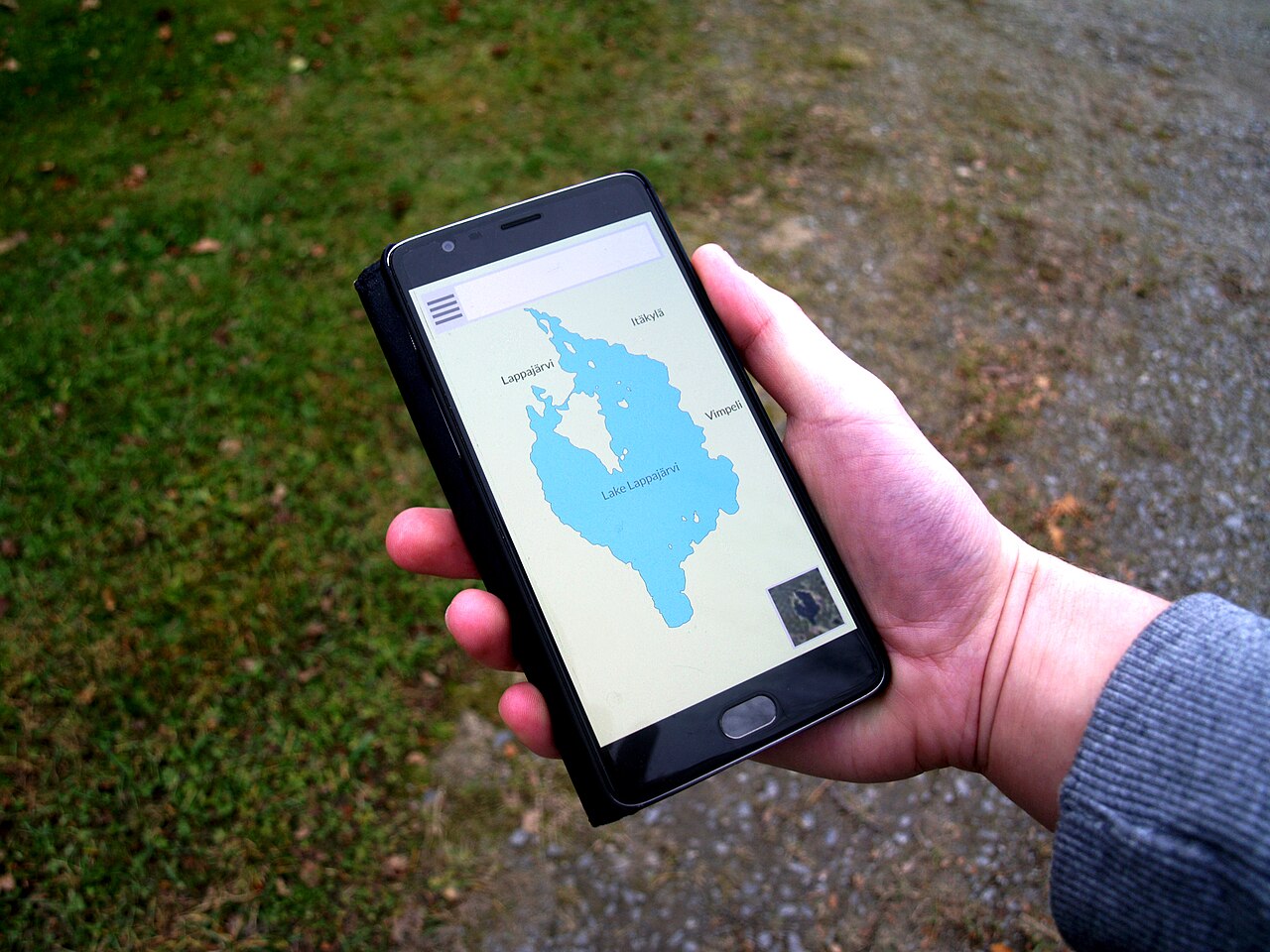
If you have access, three tests will tell you quickly whether the upgrade matters for you. First, upload a photo with small text or symbols — a sign, a label, a receipt — and ask a specific question about a detail. Second, give it a multi-step instruction with constraints, such as a web-research task with a defined output format, and check whether it follows all of them. Third, ask a follow-up question that depends on the previous answer, and see whether it remembers the context and asks a useful clarifying question of its own.
If it handles all three better than GPT-6 did, the rollout is worth the wait. If it fumbles the second — the steerability test — you have found the trade-off in your own use, and the fix is to write shorter, more explicit instructions rather than long, prescriptive ones.
Who should care — and who should wait
Paying ChatGPT users should care: this is the model behind their everyday conversations, and the image and instruction gains are the kind that show up in normal use rather than in benchmarks. Pro users should note the Ultrafast mode, and Enterprise admins should decide deliberately whether to enable it for their workspaces rather than letting the rollout decide for them.
Free and Go users should not wait for this one — there is no timeline for them, and the free tier stays on GPT-5.6 Luna. The honest advice is to judge the upgrade on what it does for paying users first, and to treat the steerability dip as a real cost, not a footnote, if precise instruction-following is central to how you use ChatGPT.
What to watch next
The first thing to watch is whether users notice the improvement as clearly as OpenAI’s internal tests suggest — real-world reports in the coming weeks will matter more than the release notes. The second is the steerability question: whether the 12-point dip shows up in real conversations. The third is whether Free and Go users get a version of GPT-6.2 at all, and when. And the fourth is the December retirement: on 23 December, GPT-5.6 Sol and Terra leave ChatGPT Work and Codex, and anyone still relying on them will need to have moved.
For now, GPT-6.2 Sol in the Chat tab is best understood as OpenAI’s everyday model catching up with its own frontier — better at seeing, better at following instructions, safer in hard conversations, and slightly less steerable. The upgrade is real; the trade-off is real too.
Related news coverage: our news report on the GPT-6.2 Sol Chat tab rollout